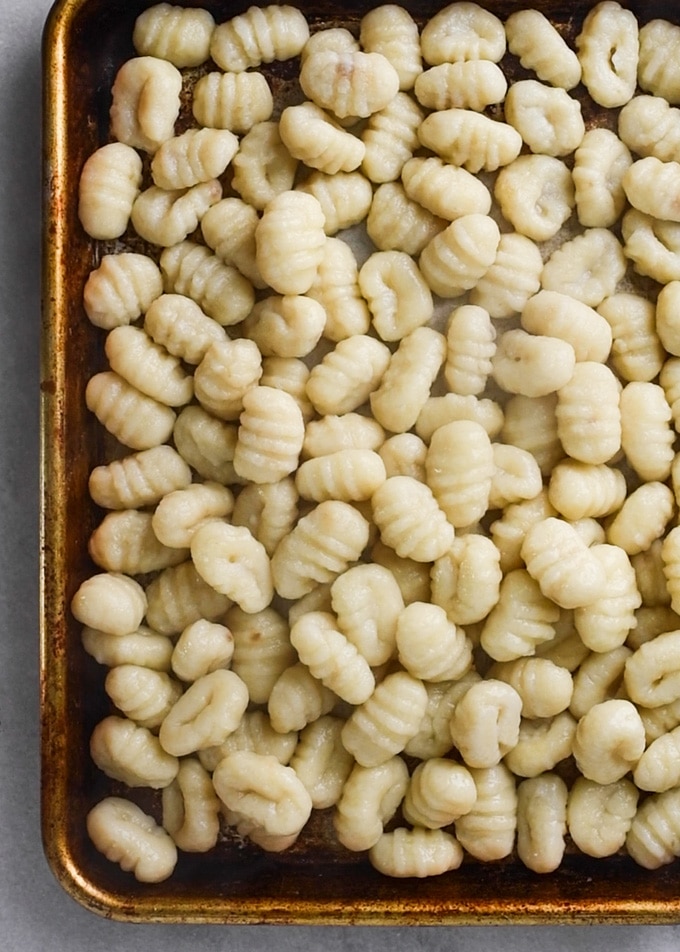
Imagine a dish so tender, so incredibly light, it practically melts in your mouth. A culinary experience that elevates simple ingredients into pure comfort. We're talking about homemade gnocchi – those delightful, pillowy potato dumplings that are a testament to Italian culinary genius. While often perceived as a daunting task for the home cook, creating your own gnocchi from scratch is surprisingly straightforward, requiring just a handful of ingredients and a few simple techniques. Prepare to discover an easy recipe that will forever change your perception of this classic dish, making you wonder why you ever settled for the store-bought version.
The Unbeatable Charm of Homemade Gnocchi
There's a reason why so many Italian nonnas swear by their homemade gnocchi, and it boils down to an unparalleled difference in quality and taste. Homemade gnocchi is ultra-soft, impossibly light, and boasts a delicate flavor that truly shines, unlike the often dense, chewy, and comparatively bland packaged alternatives. Once you experience the ethereal texture of freshly made gnocchi, you'll understand why there's truly no contest. It's an ingredient, much like fresh pasta, that thrives when made with love and attention in your own kitchen.
For many, the idea of making gnocchi from scratch conjures images of complex culinary maneuvers. However, this perception couldn't be further from the truth. Our recipe demystifies the process, making it accessible even for first-timers. With just 4-5 core ingredients – primarily potatoes, flour, and an egg – you're on your way to creating culinary magic. The beauty lies in the simplicity and the quality of these basic components, transforming them into small, tender clouds that are the perfect vehicle for any sauce.
What Exactly Are Gnocchi?
Gnocchi, in Italian cuisine, are typically categorized as a type of pasta, though their preparation and texture set them apart. The singular form, "gnocco," is believed to derive from the Italian word for "knot" or even "knuckles" (nocche), perhaps referring to their small, rounded, or oblong shape. These delightful dumplings are traditionally made from a dough comprising cooked potatoes, flour, and often egg, though regional variations can incorporate ricotta cheese, semolina, or other starches. Historically, potatoes were introduced to Italy from America around the 16th century, leading to the eventual invention of potato gnocchi as we know them today, a dish that quickly became a staple, especially in times when simple, filling meals were essential.
Mastering the Art: Key Ingredients and Essential Techniques
The secret to light, pillowy gnocchi lies not in complex maneuvers, but in understanding your ingredients and applying a few crucial techniques. Here’s how to set yourself up for success:
Choosing the Right Potato
This is arguably the most critical step. The best potatoes for gnocchi are old, starchy varieties with low moisture content. Think Russet, Idaho, or even Yukon Gold. "New potatoes" (often red-skinned varieties) contain too much water, which will necessitate adding more flour, resulting in dense, heavy gnocchi. For firmer gnocchi, some chefs advocate for specific red-skinned potatoes, but the key is low moisture. Always boil your potatoes with their skins on. This prevents them from absorbing excess water during cooking, keeping your gnocchi dough dry and light.
The Magic of the Potato Ricer
Once your potatoes are cooked and still hot, peel them immediately. This is where a potato ricer becomes your best friend. Pressing the hot potatoes through a ricer yields a light, airy, lump-free texture, which is paramount for pillowy gnocchi. Mashing with a fork or masher often overworks the potatoes and can make them gluey. After ricing, spread the potato out on a clean surface or baking sheet to allow it to cool and dry slightly before adding the flour. Adding flour to hot potatoes can cause the starch to break down (denaturation), leading to a sticky, unworkable dough.
Flour and Egg: The Perfect Balance
The goal with flour is to use as little as possible – just enough to bind the dough without making it tough. All-purpose flour works well, but for an even lighter texture, some opt for Italian '00' flour. The egg acts as a binder, helping the gnocchi hold its shape during boiling. Salt is essential for flavor. Some recipes, as seen in regional variations, might include a touch of ricotta or Parmesan cheese, which adds richness and a slightly different texture, but for classic, light potato gnocchi, a simple flour, potato, and egg combination is often preferred.
Your Step-by-Step Guide to Pillowy Perfection
Ready to get started? Follow these steps for an easy and foolproof homemade gnocchi experience:
- Cook the Potatoes: Wash your chosen potatoes (e.g., Russet), but do not peel them. Place them in a large pot, cover with cold water, add a generous pinch of salt, and bring to a boil. Cook until fork-tender, usually 25-40 minutes depending on size.
- Rice and Cool: Drain the potatoes and, while still hot, carefully peel them. Immediately pass them through a potato ricer onto a clean, lightly floured work surface or large baking sheet. Spread the riced potato evenly and allow it to cool for 10-15 minutes. This step is crucial for preventing a sticky dough.
- Form the Dough: Once cool, create a well in the center of the riced potato mound. Add your egg and a pinch of salt. Gradually sprinkle flour around the edges, gently incorporating it with your hands. Work the dough minimally, just until it comes together into a soft, cohesive mass. Overworking develops gluten, leading to tough gnocchi. The dough should be soft and slightly sticky, but manageable.
- Shape the Gnocchi: Divide the dough into manageable portions. Roll each portion into long ropes, about 1/2 to 3/4 inch thick. Using a knife, cut the ropes into small, pillow-like pieces, approximately 3/4 to 1 inch long. For a classic ridged texture that holds sauce beautifully, you can gently roll each piece down the back of a fork or over a gnocchi board. Dust the finished gnocchi lightly with flour and place them on a floured baking sheet, ensuring they don't touch.
- Cook and Serve: Bring a large pot of heavily salted water to a rolling boil. Gently drop the gnocchi into the boiling water in batches, being careful not to overcrowd the pot. Cook until they float to the surface, plus another 30 seconds to 1 minute to ensure they are cooked through. This usually takes only 2-3 minutes.
- Toss with Sauce: Remove the cooked gnocchi with a slotted spoon or spider and immediately transfer them to a pan with your warmed sauce. Gently toss to coat, allowing the gnocchi to absorb the flavors. Serve hot, garnished with fresh Parmesan cheese and herbs.
Beyond the Basics: Sauces, Storage, and Traditions
The subtle, earthy flavor of homemade gnocchi makes them incredibly versatile, serving as a perfect vehicle for an array of sauces.
Perfect Pairings
- Classic Tomato Sauce: A simple, vibrant marinara allows the gnocchi to truly shine.
- Butter Sage Sauce: A timeless and elegant choice, where browned butter and fresh sage leaves create a rich, aromatic coating.
- Pesto: Fresh basil pesto offers a burst of herbaceous flavor.
- Creamy Sauces: Think Gorgonzola cream, mushroom cream, or a light Alfredo.
- Ragu: For a heartier meal, a slow-cooked meat ragu provides robust flavor.
Gnocchi can also be incorporated into soups or baked into casseroles for comforting, wholesome dishes.
Freezing for Future Feasts
One of the best advantages of making gnocchi from scratch is its freezer-friendliness. Uncooked gnocchi freezes beautifully, ready for those busy weeknights when you crave a delicious, quick meal. Simply dust the freshly cut gnocchi with a little extra flour to prevent sticking, arrange them in a single layer on a baking sheet, and freeze until solid (about 1-2 hours). Once frozen, transfer them to a freezer-safe bag or airtight container. They will keep in the freezer for up to 2 months. To cook, simply drop the frozen gnocchi directly into boiling salted water; they'll cook in just a few minutes longer than fresh gnocchi.
A Taste of Tradition
Beyond the simple ingredients and techniques, homemade gnocchi carries a rich cultural legacy. As the old Italian rhyme goes, "Ridi, Ridi che la Mamma ha fatta i gnocchi" (Laugh, laugh, because mommy made gnocchi). This saying speaks to a time when gnocchi, made from humble potatoes and flour, brought joy and comfort during periods of scarcity. Making gnocchi at home is more than just cooking; it's connecting with centuries of culinary tradition and sharing that warmth with your loved ones.
Embrace the delightful journey of creating homemade gnocchi. This easy recipe promises light, pillowy perfection that will undoubtedly become a treasured staple in your kitchen. Say goodbye to dense, store-bought alternatives and hello to the incredible flavor and texture that only from-scratch gnocchi can provide. You’ll not only impress yourself and your guests but also discover the pure joy of crafting a truly authentic Italian classic.
